Featured
Table of Contents
The therapy suggested will certainly be based on the kind of clinical depression you have. If you have less serious (mild) anxiety, the complying with therapies may be suggested.
Your GP may suggest trying assisted self-help to see if it can aid with your clinical depression. You'll usually have 6 to 8 sessions where you overcome a workbook or online program, with assistance from a therapist. The sessions might be in person, by phone or online. Guided self-help for depression is normally based on the concepts of cognitive behavioural treatment (CBT).
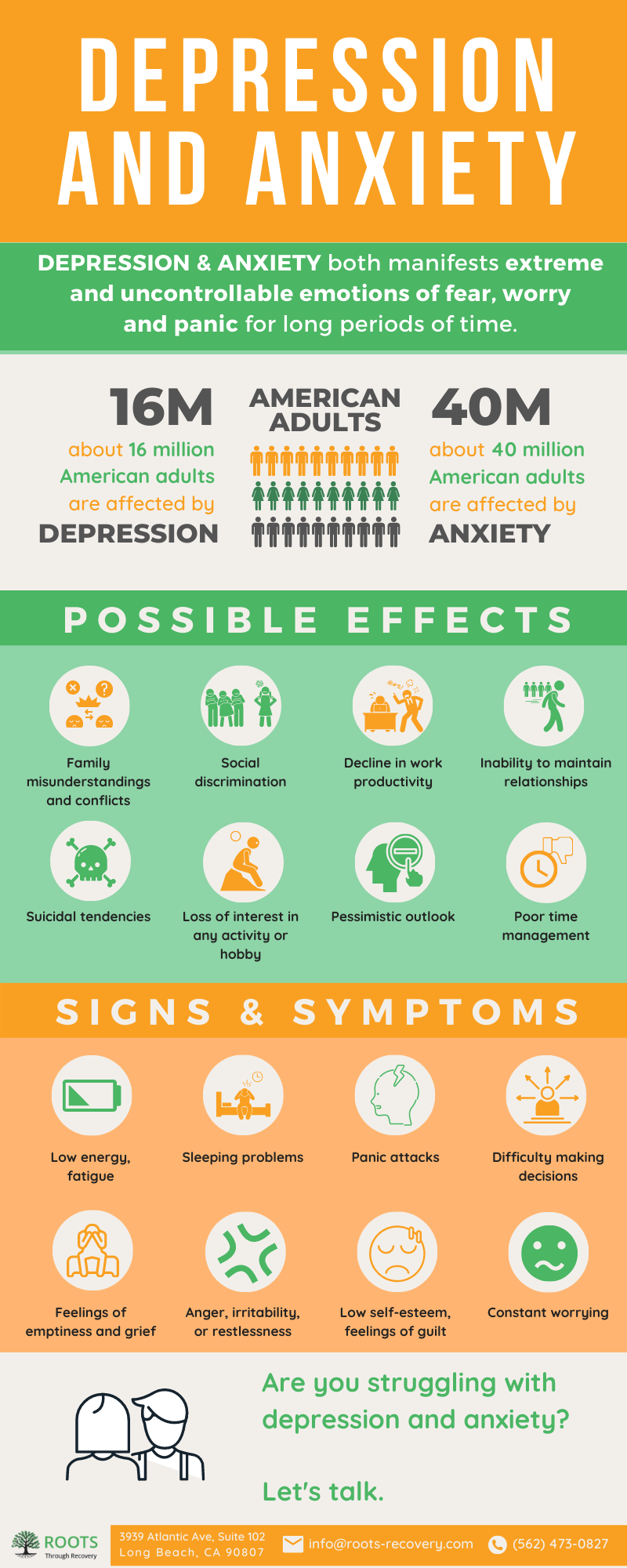
There's evidence that workout can help depression, and it's one of the main therapies for light depression. You may be described a group exercise class that's developed to aid with anxiety. Figure out even more concerning strolling for health and workout for anxiety. If you have moderate clinical depression that's not boosting, you might find a speaking therapy handy.
When Brainspotting Therapy Works Helps Depression Through Professional Support
A GP can refer you for chatting treatments, or you can refer on your own directly to an NHS speaking therapies service without a recommendation from a GP. If you have extra severe anxiety, that includes modest or serious anxiety, the adhering to treatments might be suggested. Antidepressants are medications that deal with the symptoms of clinical depression.
They have to be prescribed by a doctor, typically for anxiety that's moderate or severe. A general practitioner might suggest that you take a program of antidepressants plus talking therapy, particularly if your anxiety is fairly severe. A mix of an antidepressant and CBT typically works better than having just among these treatments.
These groups frequently supply extensive specialist speaking treatments along with prescribed medication. Cognitive behavioral therapy (CBT) intends to assist you recognize your ideas and behaviour, and exactly how they impact you. CBT identifies that events in your past may have formed you, however it focuses mainly on exactly how you can transform the means you assume, really feel and act in the present.
CBT is available on the NHS for people with anxiety or any type of other mental wellness trouble it's been revealed to help. If CBT is advised, you'll usually have a session with a specialist once a week or as soon as every 2 weeks. This may be a team session or an individual session.
Nervous System Techniques to Anxiety
They can refer you for regional talking therapies for anxiety. Waiting times for chatting treatments can be numerous weeks or months.
Animated video clarifying self-referral to talking therapies services for anxiety, anxiety or clinical depression. There are lots of various kinds readily available. Many people with moderate or severe anxiety benefit from antidepressants, but not everyone does.
What Attachment Theory Impacts Depression
The different sorts of antidepressant job about along with each other. But side effects differ between various therapies and people. When you begin taking antidepressants, you ought to see a GP or specialist nurse every week or 2 for a minimum of 4 weeks to analyze exactly how well they're working. Contact a GP quickly if you have any sensations of sadness or suicidal ideas that start or obtain worse after beginning antidepressants.
If they're functioning, you'll need to proceed taking them at the same dose for a minimum of 4 to 6 months after your signs and symptoms have actually relieved. If you have actually had episodes of anxiety in the past, you may need to remain to take antidepressants long-term. You'll be evaluated at least two times a year to see whether you need to keep taking them.
These side effects usually enhance over time. SSRIs may not be recommended for people with specific health problems, or for children and young people under 18 years of age.
Your Path Toward Mental Health Treatment Through Acceptance and Commitment Therapy
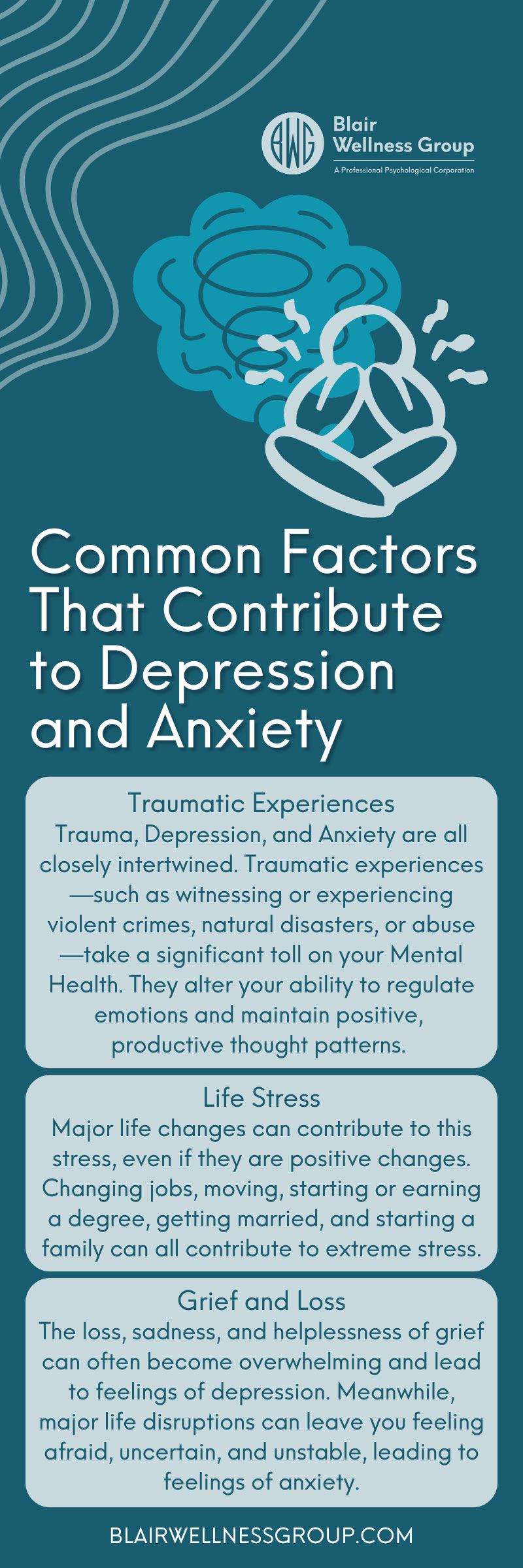
(Cymbalta or Yentreve) job in a somewhat different method from SSRIs and TCAs. They're recognized as serotonin-noradrenaline reuptake inhibitors (SNRIs). Researches have actually shown that an SNRI can be much more effective than an SSRI, however they can lead to a rise in blood stress.
It's often made use of together with various other types of antidepressant. This can be handy if you have depression and problems getting to rest.
Antidepressants are not addictive in the same means that controlled substances and cigarettes are, but you might have some withdrawal symptoms when you quit taking them. You'll be recommended to lower your dose progressively to aid stay clear of withdrawal signs. These can consist of: an upset stomachflu-like symptomsanxietydizzinessvivid fantasizes at nightsensations in the body that really feel like electric shocksIn most cases, these are quite moderate and last no longer than 1 or 2 weeks, but sometimes they can be quite severe.

Latest Posts
Defensive Style in Psychodynamic Therapy for Parent Guidance
How Defines Transformative Couples Counseling in Denver
Defining Obsessive-Compulsive Disorder?